
Preparing For Your Child's First Chess Tournament


"Is my child ready for a chess tournament?"
As a chess coach, I get this question all the time. My answer is invariably yes! If your child knows the rules to chess and enjoys the game, they are quite ready to try their first tournament.
Every chess tournament has players of all levels from beginners to quite experienced young players, and almost any scholastic tournament uses the Swiss System to ensure that players are mostly paired against other players on their level. So dive in! If your child is having a lot of fun with chess, they are sure to enjoy a tournament 
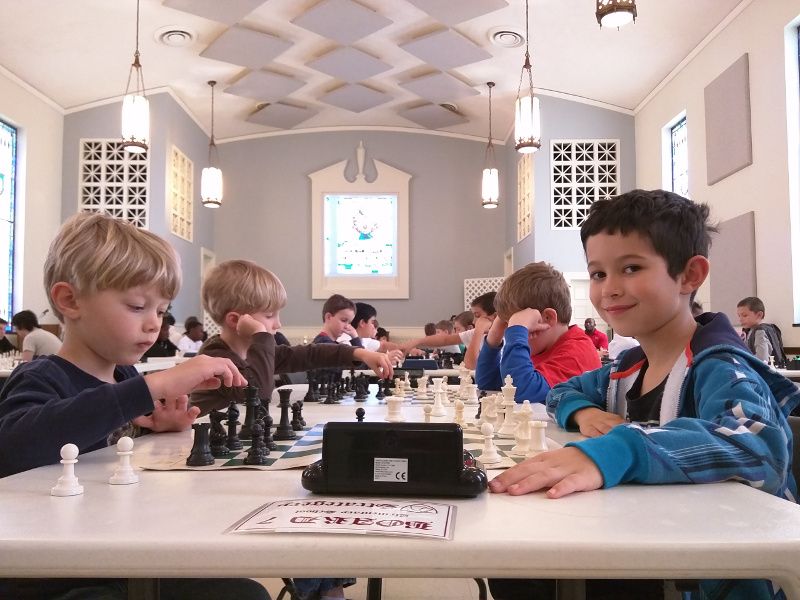
That said, here are some things your child can do to get ready. As I use ChessKid.com in my programs and am proud to work for Chess.com and ChessKid.com, I'm linking our excellent resources, but you can certainly use these tips to prepare on your own 
Know the rules!
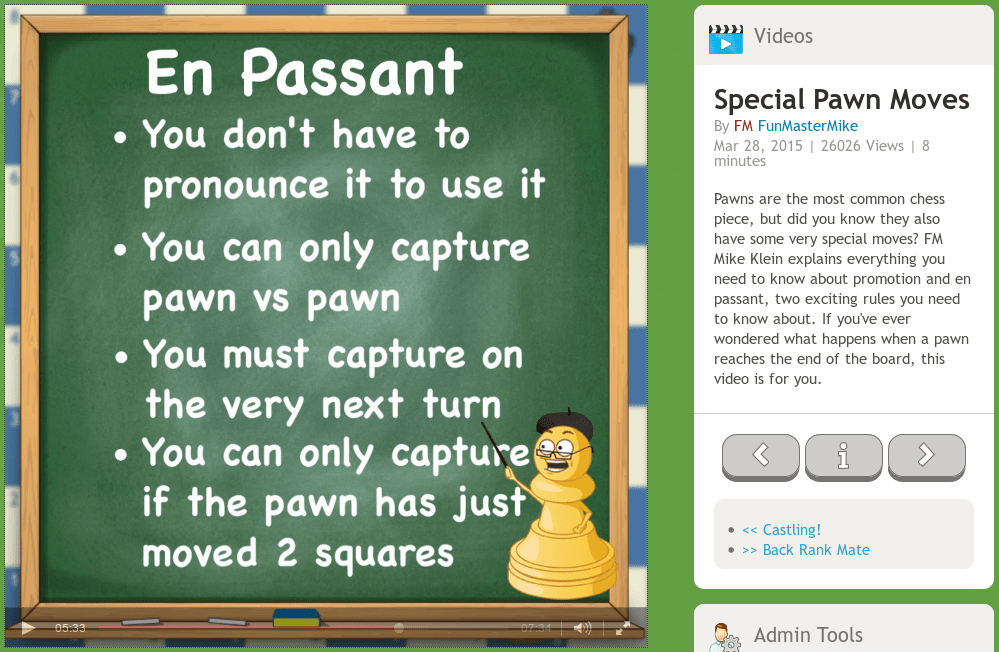
I assume that your student knows how the pieces move. If not, it might actually be a bit early for a tournament  However, even young players who have been playing for some time make mistakes with castling, en passant, and stalemate. Watch these videos to make sure your student knows these rules well!
Don't fall for the four-move checkmate.
The four-move checkmate or Scholar's Mate is the oldest trick in the book. In nearly every tournament I have directed, a new student has allowed some variation of this checkmate. Watch this video to make sure that's not your child getting caught unawares!
Know how to checkmate with the queen and the rook.
Once you have the advantage, how do you deliver checkmate? These videos will show your child how to perform the most common late-game checkmates with ease.

Now that your child has watched these, try these checkmates out against the computer!
Know notation.
Many students won't take notation in their first tournament (If it's too stressful, don't worry about it.), but it's a good practice to follow. Here's a video explaining chess notation.
You can even use our handy-dandy scoresheets! Download them here.

Here are some excellent reasons why your child should take notation, even if they don't really like it at first
- Allows them to study the game afterward: the best way to learn.
- Slows them down and makes you think.
- Their opponent will get extra time (usually) if they take notation and your child doesn't.
- Ensures that if they or their opponent makes an illegal move, the position can be fixed.
Get a chess set and chess clock.
Many tournaments will have some extra chess sets and chess clocks on hand. If you don't have equipment yet, don't let that stop you from signing up, but you should get a set and clock soon. Here are some very solid and affordable options I can recommend.

Watch some chess movies!
These family-friendly movies about chess are really wonderful movies that both you and your child will enjoy. They are guaranteed to get you excited about a first chess tournament and calm some nerves

Comments